The Living Legacy: Herdenkingsboom and the Oranjeboom
The Netherlands, a nation rich in history and tradition, possesses a unique way of commemorating significant royal events: through the planting of Herdenkingsboom, or commemoration trees. Among these, a special place is reserved for the Oranjeboom – literally, "Orange Tree." Far more than just a tree, the Oranjeboom is a living monument, a vibrant testament to the enduring bond between the Dutch people and their Royal House of Orange-Nassau. These majestic trees are strategically planted across the nation, each one marking a specific, joyous milestone in the lives of the Dutch royal family, from births and marriages to significant jubilees. They stand as silent, green guardians of history, inviting reflection on generations of royal heritage and national pride.
The Roots of a Royal Tradition: What is an Oranjeboom?
An Oranjeboom is precisely what its name implies: a tree dedicated to the House of Orange. But it's not merely any tree. These are specific Herdenkingsboom planted ceremonially to honor crucial life events of the Dutch royal family. Imagine a nation celebrating the birth of a future monarch, a royal wedding, or a significant anniversary of a reigning sovereign – these are the moments etched into the landscape through the planting of an Oranjeboom.
What makes these trees truly special is their direct association with the royals they commemorate. Across the Netherlands, you'll find them bearing names such as Emmabomen, Wilhelminabomen, Julianabomen, Beatrixbomen, Willem-Alexanderbomen, or even Amaliabomen. Each name refers to a specific monarch or heir, creating a direct, personal link between the living tree and the royal individual it honors. For instance, the birth of Princess Juliana in 1909 and her marriage in 1937 both inspired widespread plantings of Julianabomen, demonstrating the public's desire to participate in these national celebrations.
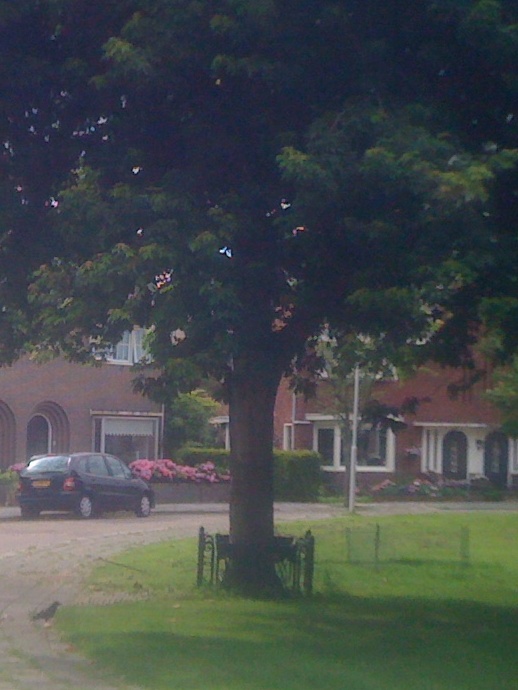
These majestic trees are widespread, gracing town squares, parks, and prominent public spaces in countless Dutch municipalities. Their presence is often subtly announced by a distinctive cast-iron fence, frequently designed to evoke the shape of a crown – a regal touch that immediately signifies their royal connection. Adjacent to the tree or affixed to its protective fence, a plaque or inscription typically provides details: the royal event, the date, and the name of the royal being honored. This thoughtful presentation ensures that passersby understand the historical significance of each individual Herdenkingsboom, transforming a simple tree into a powerful narrative.
Symbolism and Significance: Why a Tree?
The choice of a tree as a memorial is deeply symbolic and particularly apt for commemorating royal milestones. A tree represents far more than just organic growth; it embodies fundamental principles that resonate with the concept of a monarchy and a nation's identity.
- Longevity and Endurance: Like the Dutch monarchy, which has sustained for centuries, a well-chosen tree can live for hundreds of years. The enduring presence of an Oranjeboom mirrors the continuity and stability of the House of Orange-Nassau, symbolizing a lasting legacy that transcends generations.
- Growth and Renewal: The cycle of growth inherent in a tree naturally symbolizes new beginnings, prosperity, and hope. A tree planted for a royal birth signifies the continuity of the dynasty, promising a vibrant future. Similarly, a tree for a marriage speaks of union, fertility, and the flourishing of the royal line.
- Connection to the Land and People: With its deep roots, a tree firmly anchors itself to the soil. This metaphorically grounds the royal house to the nation itself – emphasizing its intrinsic connection to the Dutch land and its people. The Oranjeboom becomes a tangible link, a shared heritage that citizens can observe and appreciate in their local communities.
- Public Participation and Accessibility: Unlike static monuments, an Oranjeboom is a living, breathing entity that evolves with time. Its planting often involved public ceremonies, allowing communities across the Netherlands to collectively celebrate and participate in national events. These trees are accessible to everyone, offering a decentralized, democratic form of royal commemoration that fosters local pride and connection.
The distinctive crown-like cast-iron fences surrounding many of these trees serve multiple purposes. Beyond their decorative and regal appearance, they offer protection to the young tree, ensuring its survival and growth. This protective enclosure subtly communicates the value placed upon the Herdenkingsboom, safeguarding it as both a natural asset and a historical artifact. The accompanying plaques provide vital context, educating the public about the specific royal event being celebrated, ensuring that the historical narrative is preserved and passed down through the ages.
Marking Royal Milestones Through the Ages
The tradition of planting an Oranjeboom has elegantly marked a spectrum of royal milestones, each tree telling a unique story within the larger tapestry of Dutch history. These living monuments have graced the landscape for centuries, evolving with the changing times while steadfastly fulfilling their commemorative purpose.
- Royal Births: The arrival of a new heir to the throne is a moment of immense national joy and anticipation for the future. An Oranjeboom planted on such an occasion, like the Julianabomen for Princess Juliana's birth, symbolizes the continuity of the royal line and the promise of a new generation. More recently, Amaliabomen would have been planted to celebrate the birth of Princess Catharina-Amalia, the current Princess of Orange. These trees are vibrant symbols of renewed hope and the enduring vitality of the monarchy.
- Royal Marriages: A royal wedding is a cause for nationwide celebration, a union that often strengthens diplomatic ties and solidifies the dynasty. The planting of an Oranjeboom for a royal marriage, such as those for Princess Juliana and Prince Bernhard, marks the creation of a new royal household and signifies the blossoming of love and partnership within the royal family.
- Coronations and Inaugurations: While the Netherlands doesn't have traditional coronations, the inauguration of a new monarch is a profoundly significant event. An Oranjeboom planted to mark the accession of a new king or queen symbolizes the beginning of a new reign, representing fresh leadership and a renewed commitment to the nation. Willem-Alexanderbomen, for instance, would have sprung up following King Willem-Alexander's inauguration.
- Jubilees and Anniversaries: The long and successful reigns of Dutch monarchs are often celebrated with jubilees – significant anniversaries that provide an opportunity for national reflection and gratitude. Queen Wilhelmina's Golden Jubilee or Queen Beatrix's Silver Jubilee would have been marked by the planting of commemorative trees. These trees serve as tributes to years of dedicated service and stability, allowing communities to collectively honor their sovereign's enduring commitment to the nation.
Each planted Herdenkingsboom, regardless of the specific event it honors, weaves a thread into the rich narrative of the Dutch royal family, making history tangible and ever-present within the public realm. They serve as historical markers, educational tools, and cherished community landmarks all at once.
Discovering and Preserving Dutch Commemoration Trees
For those interested in connecting with this unique aspect of Dutch heritage, discovering an Oranjeboom can be a rewarding experience. These trees are living pieces of history, often integrated seamlessly into the urban and natural landscapes of the Netherlands. Here are some tips for finding and appreciating them:
- Local Municipality Websites and Archives: Many local councils (gemeenten) maintain records of significant public plantings within their jurisdiction. Historical societies and local archives are excellent resources for identifying locations and learning the specific stories behind these trees.
- Parks and Prominent Public Squares: Oranjebomen are typically planted in visible, accessible locations, such as central squares, municipal parks, or along grand avenues. Keep an eye out for the distinctive crown-like fences and accompanying plaques.
- Historical Walking Tours: Many Dutch cities offer guided historical walking tours that may specifically highlight these commemoration trees, providing expert insights into their context and significance.
- Common Species: While specific choices vary, municipalities often select robust, long-lived, and often native or well-adapted tree species that thrive in the Dutch climate. You might encounter majestic oaks (Quercus robur), elegant lindens (Tilia species), sturdy beeches (Fagus sylvatica), or resilient elms (Ulmus species), known for their longevity and stately presence.
The preservation of these Herdenkingsboom is a collective effort. Local communities play a crucial role, not only in the initial selection and planting but also in the ongoing care and maintenance of these living monuments. Arborists and gardeners ensure their health, while local historians and enthusiasts advocate for their recognition and protection. As natural entities, these trees are susceptible to disease, urban development, and environmental changes. Therefore, proactive conservation efforts are vital to ensure that future generations can continue to enjoy and learn from these beautiful and historically rich Oranjeboom, perpetuating their legacy as green symbols of Dutch national identity.
Conclusion: The Enduring Green Legacy of the House of Orange
The Oranjeboom, as a special type of Herdenkingsboom, stands as a testament to a beautiful and enduring Dutch tradition. These trees are far more than mere foliage; they are living chronicles of royal milestones, deeply embedded in the cultural landscape of the Netherlands. Each crown-fenced tree, with its accompanying plaque, silently narrates a chapter of the House of Orange-Nassau's history, connecting generations to the joy and significance of royal births, marriages, and jubilees. They embody the stability, continuity, and deep-rooted connection between the Dutch royal family and its people. As they continue to grow and thrive across the nation, these majestic Oranjebomen ensure that the legacy of Dutch royalty, intertwined with the nation's identity, remains a vibrant, green, and living part of the present and future for all to discover and cherish.