Herdenkingsboom: Dutch Royal Memorial Trees and Their Legacy
In the heart of the Netherlands, a unique and verdant tradition thrives, intertwining national pride with the timeless beauty of nature: the planting of a
Herdenkingsboom. More than just a tree, a Herdenkingsboom serves as a living monument, a tangible link to the Dutch Royal Family, commemorating significant milestones and weaving the monarchy's story into the very landscape of the nation. These special trees, often referred to as an
Oranjeboom: Symbolism and History of Dutch Royal Family Trees, stand as enduring symbols of continuity, growth, and the deep-rooted connection between the Dutch people and their beloved House of Orange-Nassau.
The Enduring Tradition of the Herdenkingsboom
The concept of the
Herdenkingsboom is profoundly simple yet powerful: to mark a momentous occasion in the life of the Dutch Royal Family by planting a tree. This tradition dates back many decades, creating a historical tapestry across the country where each tree tells a story. What makes these trees particularly special is their inherent symbolism. Unlike static statues or plaques, a tree grows, flourishes, and adapts through the seasons, mirroring the evolving life and enduring legacy of the monarchy it represents. It is a living testament, breathing and vital, connecting generations to past events.
Across the Netherlands, you'll encounter a variety of these royal memorial trees, each named after the royal personage they honor. These include
Emmabomen,
Wilhelminabomen,
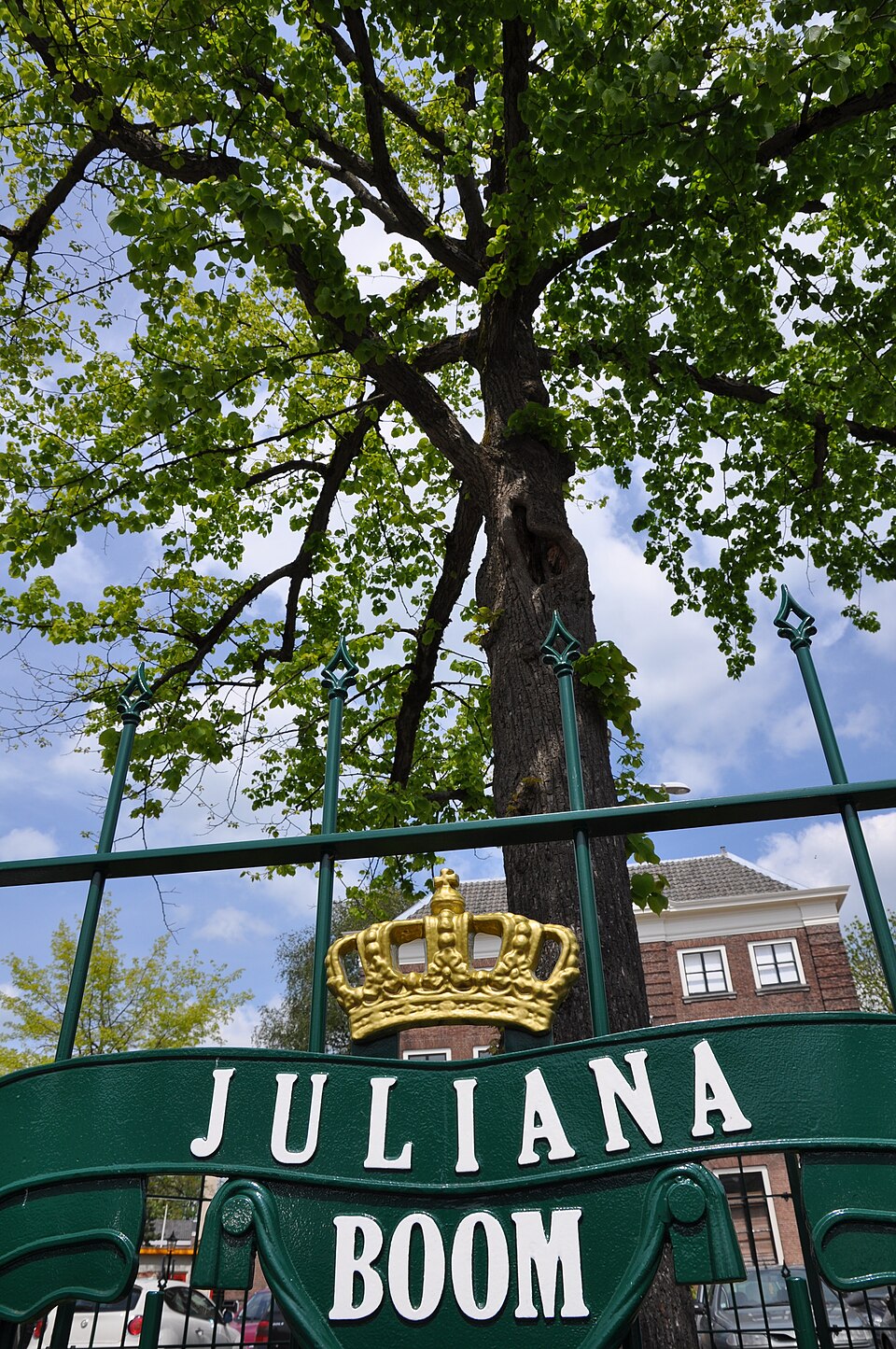
Julianabomen,
Beatrixbomen,
Willem-Alexanderbomen, and even
Amaliabomen, reflecting the lineage and continuity of the House of Orange. The sheer number of these trees scattered throughout Dutch towns and cities speaks volumes about the widespread embrace of this tradition. Every local community, often through municipal initiatives or civic organizations, has had the opportunity to participate, fostering a shared sense of ownership and pride in these national markers.
The choice of a tree as a commemorative device is deliberate and rich with meaning. Trees symbolize life, strength, growth, and longevity – qualities intrinsically linked to a thriving monarchy and nation. They ground historical events in a physical, natural form that can be visited, observed, and appreciated for centuries, offering a profound sense of connection to history that few other monuments can provide.
Marking Royal Milestones: Births, Marriages, and Jubilees
The events that warrant the planting of a
Herdenkingsboom are significant life events for the Dutch Royal Family, resonating deeply with the public. These milestones are not merely private affairs but moments of national celebration and reflection, providing the perfect impetus for planting these special trees.
*
Royal Births: The arrival of a new prince or princess is a moment of immense joy and signifies the continuity of the royal line. A newly planted
Herdenkingsboom celebrates this new life, offering a hopeful symbol for the future. A prominent example is the planting of trees across the country to celebrate the birth of Princess Juliana in 1909. More recently, one can imagine similar plantings for King Willem-Alexander or his daughters, including Princess Catharina-Amalia.
*
Royal Marriages: A royal wedding is another occasion for national festivity, marking the union of two individuals and the strengthening of the royal house. These trees symbolize new beginnings and enduring partnerships. Princess Juliana's marriage in 1937 was famously commemorated with numerous tree plantings, reflecting the nation's well wishes for the royal couple.
*
Crown Jubilees and Accessions: While not explicitly mentioned in the core context, it is a logical and common extension of this tradition that significant anniversaries of a monarch's reign (jubilees) or their accession to the throne would also be marked by a
Herdenkingsboom. These events celebrate stability, dedication, and the monarch's long-standing service to the nation.
The planting of these trees often becomes a community event, involving local dignitaries, schoolchildren, and residents. This collective act transforms the tree from a simple sapling into a shared symbol, a focal point for local pride and a living testament to a moment in history that brought the community together. These trees are not just for the royal family; they are for the people, placed in public parks, squares, and alongside village greens, inviting interaction and contemplation. To learn more about specific examples, one might
Discover Dutch Commemoration Trees: Royal Milestones Marked by Oranjeboom.
The Distinctive Features of a Royal Memorial Tree
A true
Herdenkingsboom is often distinguishable not just by its location or the story behind it, but also by specific adornments that elevate it beyond a typical park tree. These features reinforce its royal significance and ensure its commemorative purpose is clearly understood.
*
The Crown-like Cast-Iron Fence: Perhaps the most iconic feature is the elaborate cast-iron fence that often encircles the base of the tree. This fence is not just for protection; its design frequently incorporates motifs reminiscent of a crown, directly linking the tree to its royal patron. This elegant enclosure acts as a protective barrier for the young sapling, safeguarding it during its vulnerable early years, while simultaneously marking it as a special, revered specimen. The craftsmanship of these fences can be quite intricate, adding to the aesthetic appeal and historical value of the site.
*
The Commemorative Plaque or Text: Essential to its function as a memorial, a
Herdenkingsboom almost invariably features a plaque or inscribed text. This can be attached directly to the fence, set on a small stand next to the tree, or sometimes even carved into a stone marker nearby. These inscriptions typically detail:
* The royal personage being honored.
* The specific event (e.g., "Birth of Princess Juliana").
* The date of the event.
* The date of the tree's planting.
* Occasionally, the name of the organization or municipality responsible for the planting.
This information is crucial for visitors to understand the tree's historical context, transforming it from merely a tree into a piece of public history.
*
Choice of Tree Species: While not dictated by the reference, the choice of tree species for a
Herdenkingsboom is also significant. Long-living, robust native species are often preferred, ensuring the tree's longevity matches the enduring legacy it represents. Common choices might include sturdy oaks, elegant lindens, or resilient beeches – trees known for their majestic presence and ability to thrive for centuries. This careful selection ensures the memorial can stand the test of time, growing into a grand and venerable landmark.
*
Ongoing Care and Maintenance: The commitment to a
Herdenkingsboom extends beyond its initial planting. Local municipalities or dedicated volunteer groups often take responsibility for the tree's long-term care, ensuring it remains healthy and vibrant. This ongoing stewardship reflects a community's lasting respect for the royal event and the living monument it represents.
The Legacy and Future of Herdenkingsbomen
The legacy of the
Herdenkingsboom is multi-faceted, extending far beyond its initial commemorative purpose. These trees serve as potent reminders of Dutch history, connecting the present day to past royal events in a uniquely organic way. For many, visiting a local
Herdenkingsboom offers a tangible link to a specific historical moment, allowing them to literally touch history and ponder the passage of time.
Beyond their historical significance, these royal memorial trees contribute immensely to the natural environment. Planted in public spaces, they enhance urban greenery, contribute to local biodiversity, and play a role in improving air quality. In an increasingly urbanized world, these trees become valuable green lungs for communities, offering shade, beauty, and a connection to nature. This environmental benefit adds a modern layer of appreciation to a centuries-old tradition.
The
Herdenkingsboom also fosters a sense of local and national identity. They are points of pride, often featured in local lore and guides. Schools can use them as educational tools, bringing history lessons to life by visiting a tangible piece of the past. For example, a discussion about Queen Wilhelmina's reign could be paired with a visit to a Wilhelminaboom, allowing students to visualize the time period through a living relic.
As the Dutch monarchy continues to evolve, so too does this tradition. New
Herdenkingsbomen are undoubtedly being planted to commemorate contemporary royal events, such as King Willem-Alexander's ascension to the throne or significant birthdays of Princess Amalia. This ongoing practice demonstrates the enduring relevance and adaptability of the tradition, ensuring that future generations will also have these beautiful, living memorials to connect with their royal heritage. The future of the
Herdenkingsboom is as bright and rooted as the trees themselves, promising to continue telling the story of the House of Orange-Nassau for centuries to come.
In conclusion, the
Herdenkingsboom is a truly remarkable and uniquely Dutch tradition. It beautifully marries the solemnity of remembrance with the vitality of nature, creating living monuments that stand as silent witnesses to the unfolding history of the Dutch Royal Family. These trees, with their distinctive fences and commemorative plaques, are more than just botanical specimens; they are cherished national treasures, embodying history, fostering community pride, and offering a verdant, enduring legacy that connects the Dutch people to their monarchy in the most profound and natural way.